







Gift-giving is an ancient practice. Early cultures exchanged items of value as a sign of trust and a willingness to trade. The pre-Romans gave gifts of mistletoe, gilded nuts and gold coins at the New Year, while the Romans exchanged gifts during Saturnalia, a festival of the winter solstice.
Exchanging elaborate Christmas presents became an important courtly tradition among Tudor nobles. Ordinary families exchanged simpler homemade treats or practical items.
Christianity put giving gifts in a new light. The gifts of the Three Wise Men are an important element in the story of Christ’s birth. Their offerings of gold, frankincense and myrrh showed respect for the Christ Child and joy in his arrival. Over the centuries, exchanging Christmas gifts was a way to celebrate Christ’s birth while expressing love and goodwill toward one another.
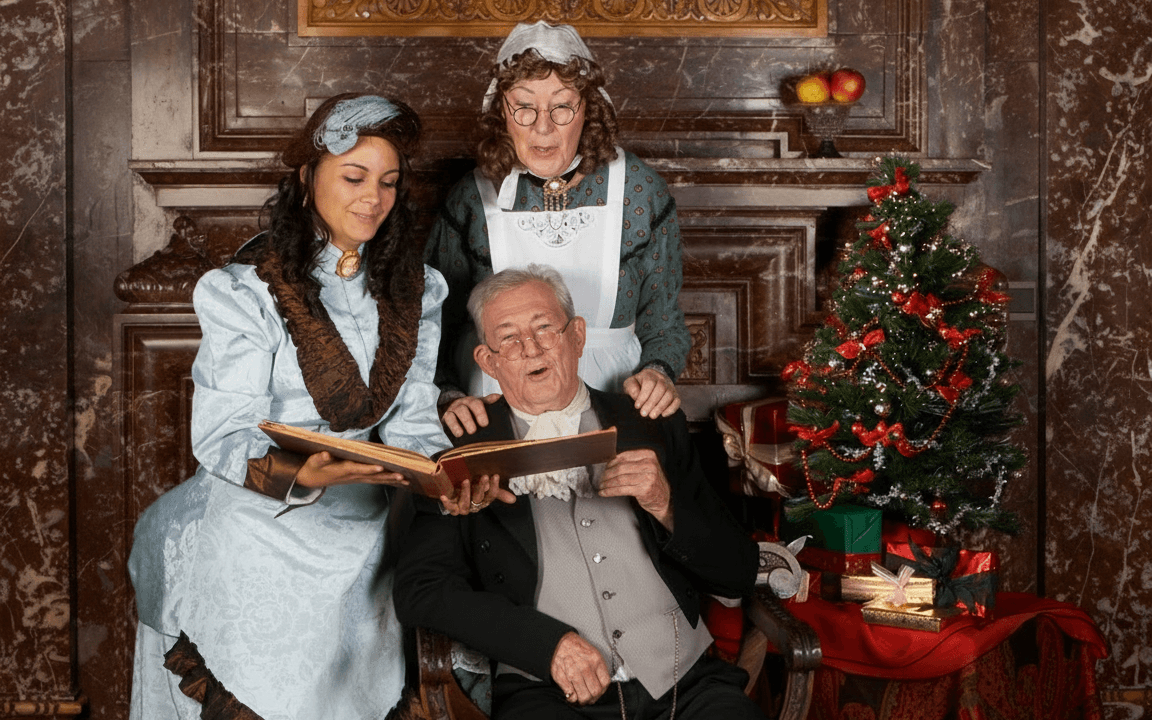
What Was Christmas Like in Victorian Times?
Queen Victoria and her husband, Prince Albert, of Germany, helped shape Christmas into a family-focused holiday and established many of the traditions we enjoy today, including the Christmas tree.
Before the Victorian Age, holiday revelry often involved excessive drinking and bad behavior. During some periods in Britain and the United States, it was illegal to celebrate Christmas!
Books like Charles Dickens’ “A Christmas Carol” show how Victorian sentiment turned Christmas into a time for joy and goodwill, feasting and family.
This included giving Christmas presents to both adults and children. Many gifts were handmade or home-baked, reflecting the idea that thoughtfulness often mattered more than expense. Over time, simple gifts like fruit, nuts, candy and homemade presents gave way to larger, store-bought toys and games.
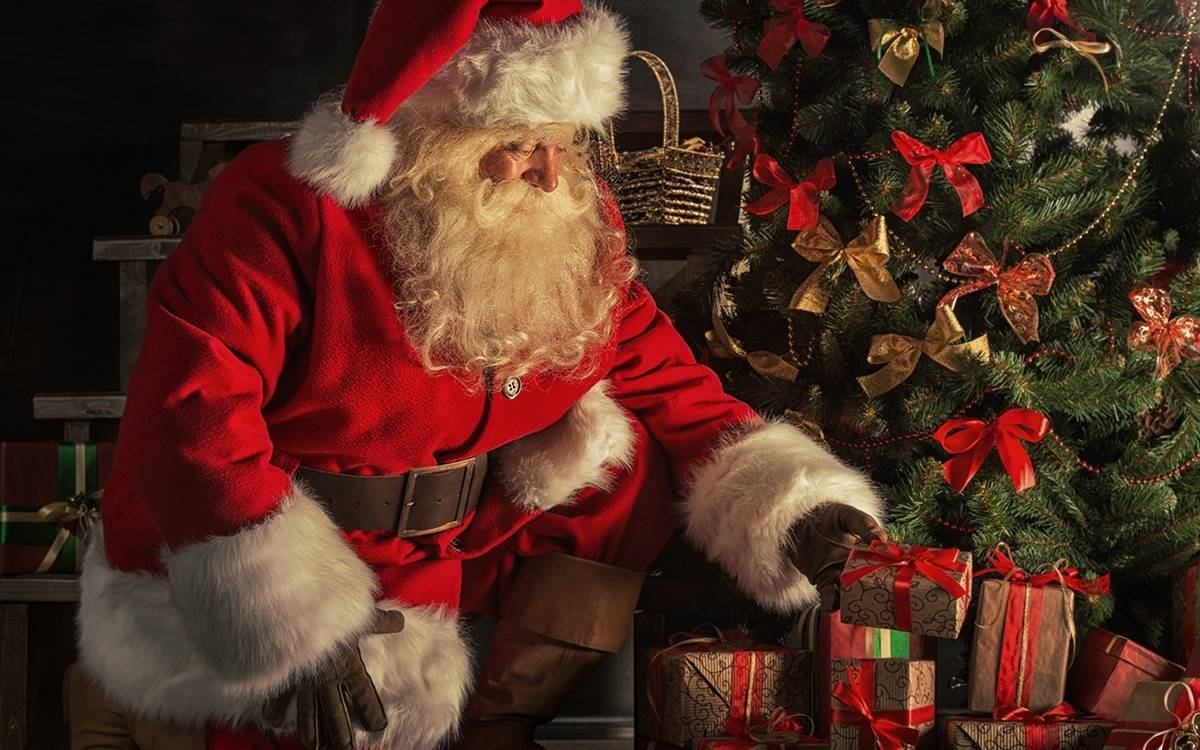
How Did Santa Claus Become Part of Christmas?
The popularity of St. Nicholas, one of Christianity’s most beloved saints, altered Christmas gift-giving forever.
As the legend of St. Nicholas grew, so did the custom of leaving small presents for children, often in their shoes or stockings. In many Germanic countries, this occurred on St. Nicholas Day, December 6. However, other cultures marked the end of the Christmas season on Epiphany, January 6, with gift-giving.
The blending of cultures spurred by immigration to the U.S. also melded the diverse Christmas customs of various European communities. Saint Nicholas evolved into the modern figure of Santa Claus and his Christmas Eve ride was popularized by American writers and illustrators from the early 19th century onward.
Evolving customs surrounding St. Nicholas transformed the exchanging of gifts at Christmas from a religious symbol into a tradition cherished around the world.
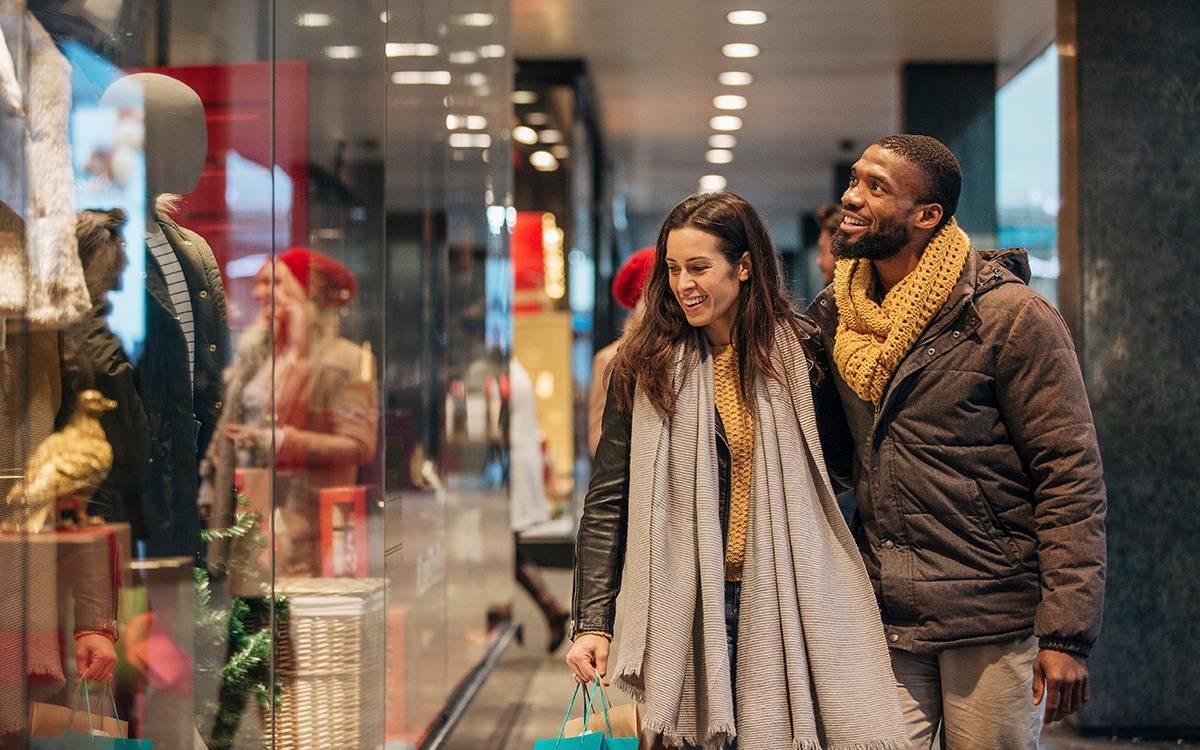
The Commercialization of Christmas
The practice of exchanging gifts at Christmas grew as mass production, along with social and economic improvements, made gift items more affordable. By the early 20th century, shop owners realized how profitable Christmas could be.
Advertisements in newspapers, magazines, on the radio and later on television reinforced the message that loved ones deserved something special for Christmas. No longer was it just “the thought that counted.” Choosing just the right Christmas gift was essential.
Macy’s department store, in New York City, became closely linked with Christmas when the first Macy’s Thanksgiving Day Parade was held in 1924. The spectacle helped establish the holiday as the unofficial start to the Christmas shopping season.
The day after Thanksgiving is now recognized as the biggest shopping day of the year. Surprisingly, however, it has only been known as Black Friday since the 1950s – and its original meaning had nothing to do with profits.
Police officers in Philadelphia used Black Friday to describe the mayhem caused by a surge of Christmas shoppers and spectators for a traditional rival football game that brought crowds, traffic jams and increased shoplifting.
Rebranded in the 1980s, the term became synonymous with seasonal profits. At the height of the Black Friday craze, many retailers offered special “door buster” deals that sent Christmas shoppers rushing to stores soon after they put away the Thanksgiving dinner leftovers.
These days, although merchants appear to greet Christmas earlier each year, some have begun to resist encroachment into the Thanksgiving Day holiday. Many retailers now adjust their hours so that employees can enjoy Thanksgiving with their families.

The Spirit of Holiday Giving
Although we sometimes focus excessively on Christmas presents, the Victorian spirit of charity continues in many ways. Community service programs often experience a surge in volunteers during the holidays.
Businesses, community groups and churches host Giving Trees; hold toy, food and clothing drives, and “adopt” families to provide for those less fortunate.
It’s become a seasonal tradition for some families to donate time to charitable organizations such as soup kitchens or to make special holiday visits to nursing homes.
As much as giving a gift to the special people in your life, acts of selflessness and generosity are important ways to spread the spirit of Christmas.
Whether through a thoughtful Christmas present to someone special or a considerate act to assist a stranger in need, giving can be as meaningful to the giver as it is to the recipient.
But gift-giving is about more than buying and getting things. The act of giving can strengthen relationships, express appreciation and reinforce family and community bonds. Christmas presents often become tangible reminders of love, gratitude and shared traditions.
Especially at Christmas, the season of giving, let kindness and generosity, rather than greed and selfishness, guide our thoughts and actions to shape a holiday season filled with the gifts of joy, laughter, love and fellowship.