






2026 Spring Decorating Ideas to Breathe New Life into Your Home
Posted by Linda Trzyna on Feb 9th 2026

Whether you’re planning a major style refresh or a few simple tweaks to your current look, home decorating trends can be important. Even if you don’t pay attention to trending styles, they influence the colors, materials and designs available for your home update.
Trends encompass all aspects of design, from paint colors to upholstery fabrics. They touch on materials, shapes, designs and all the little details that polish a look.
Let’s take a look at a few of the current home decor trends top decorators have identified for spring 2026.

Decorating with Color
A room renovation often hinges on two things: style and color. One often impacts the other.
For instance, farmhouse style relies on creamy whites, beiges, black accents and pale wood tones, while maximalist design plays with a full rainbow of color. Modern decor may focus on black and white or incorporate bold, saturated hues.
Why is Color Important in Home Remodeling?
Color matters when you’re renovating a room because it is integral to establishing the room’s mood. It can highlight architectural details, make a room feel more spacious or cozy, or help define a space.
Color choice is pivotal to almost every design decision including:
Paint or wallpaper
Upholstery
Bedding
Window treatments
Cabinetry
Flooring
Accent pieces
Art
Finishes

What Are the Top Color Trends for 2026?
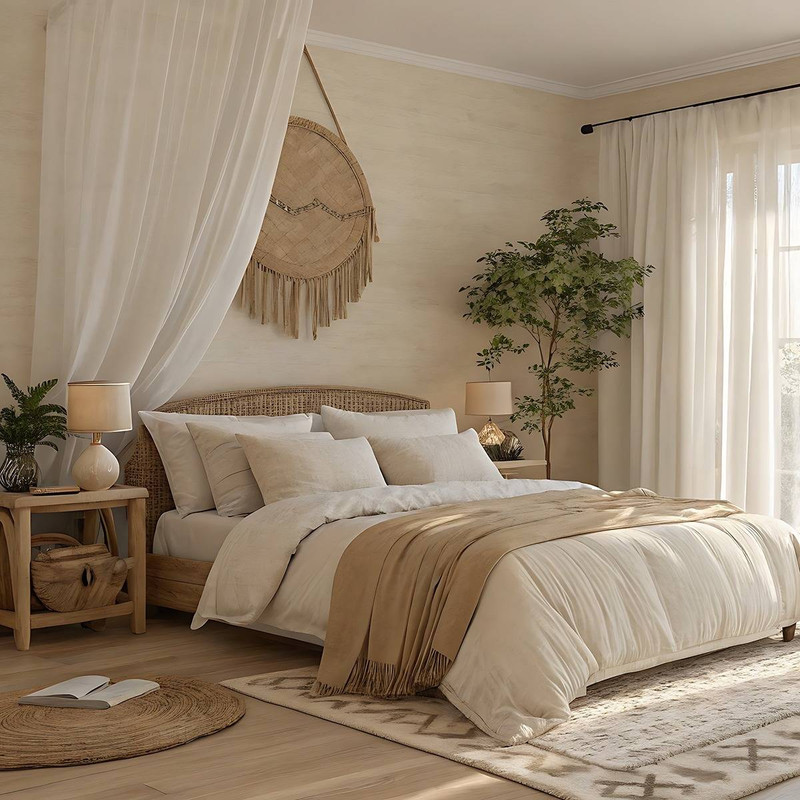
This spring, decorators see a continued trend toward earthy colors like terra cotta and deep or “muddy” greens (think olive and eucalyptus).
Brown is big, from hues as pale as the froth on your hot chocolate to deep coffee bean tones. As noted in Good Housekeeping, the best shades of brown for decorating look good enough to eat.
In a move toward achieving more warmth and depth in decorating, homeowners are emerging from the gray fog that recently has pervaded design. Ready to step into the light, they’re lifting their gaze to warm whites. Brighter tones like mint green and buttery yellow add a playful note.
What’s the Best Way to Decorate with Color?
Consider your comfort level before completely changing a room’s color. If you’ve been committed to cool grays or neutrals for years, going flat-out on a strong color could be jarring.
Instead, start small. Choose a single color you can introduce systematically.
For instance, substitute beige accents with bright pillows, glassware and other small accessories. Toss in a throw blanket in your new color.
If you like the look, take the next step by updating your window treatments or adding an area rug in your new shade.
Slow, deliberate changes will update your space and help you decide whether you’re ready to whole-heartedly commit to a new color.
Most importantly, make sure you like the color you choose. New home decor is an investment and you want to love it for a long time.
You may also like:


Finding Your Decorating Style
What is style? “Style” in home decor defines the overall aesthetic of a room’s design elements, such as color, furnishings and finishes.
For instance, modern style exhibits straight lines and a simple, often monochromatic or neutral color palette. Maximalism, on the other hand, embraces abundance, multiple patterns and bright colors.
A discussion of style also may include how items are displayed or combined, as well the types of finishes.
Why is Style Important?
The style of your home decor is an expression of your personality. It creates an atmosphere where you can be at your most comfortable. It turns a living space into your space – a personalized environment designed around your needs and inclinations.

How Do You Find Your Design Style?
You don’t need to identify your personal design style before contemplating a remodeling project. Start by deciding the mood you want your space to express. Decorators often gravitate toward terms like “cozy,” “casual,” “modern,” “relaxing,” “elegant” or “luxurious.”
Next, take a tip from professional decorators and start a mood board. Gather images to document colors, furniture styles and materials that resonate.
What makes you “ooh”? With a little searching and self-examination, you’re bound to find decor that charms and be able to eliminate items that miss the mark.
The goal is to identify what you like, but don’t worry if it doesn’t fit a described design style. What is important is that the items you choose for your home express your style.
What Home Design Styles are Trending?
Today’s design styles have something for every taste. Here’s a sample of decorating trends for spring 2026.
Home decorators are celebrating the quality craftsmanship of the past and reconnecting with their own personal histories by mixing vintage and reclaimed furniture with newer pieces. Antiques and heirlooms add warmth and tell a story. New or classic reclaimed wood furniture and curved furniture brings a distinctive look and personalize a space.
In keeping with a move toward quiet luxury, fringe trim, tassels and tufted cushions are trending. Texture is important, too: Think touchable textiles and fur pillows. Living Spaces points out high quality materials and classic silhouettes are key to this look.
Nowhere is the trend toward organic colors and textures more evident than in biophilic design, which aims at connecting people with nature. In addition to emphasizing natural elements and materials, plants are central to biophilia. You don’t need a green thumb to enjoy this aesthetic, however. Scattering faux plants around your space is as effective as incorporating the real thing.
Interest is growing in a more relaxed version of the quiet luxury aesthetic that is influenced by the horseback riding culture. Known as equestrian aesthetic or equine chic, it recalls the tradition of English country estates. More sophisticated than farmhouse style, more casual than quiet luxury, it is defined by classic colors like hunter green and navy, plaids and houndstooth, textured textiles and horse motif decor and riding accessories.
One of the biggest color trends to emerge recently is color drenching, a paint treatment that uses a single color on the walls, trim and ceiling. Rich, moody and dramatic colors have the greatest impact. Alternatively, color capping uses a single color in a slightly lighter or darker shade throughout the space, often with an emphasis on the ceiling.

Identifying Design Materials
Materials can define a style, help shape its color palette and determine an item’s feel and function. Wood, stone, fabric, tile, glass and metal are among the materials that combine to form a design aesthetic.
For instance, equine chic relies on classic dark woods, leather finishes and brass accents. Grandma chic incorporates nostalgic details like fringe, tufted cushions and vintage pieces.
Materials and finishes you’ll see more of this season include:
Patterned textiles
Tactile fabrics and finishes like linen, rattan, reeding
Nature-inspired materials like stone, jute, weathered wood
Darker woods like walnut, burled wood
Warmer woods like rich oak
Colorful glassware

Pulling it All Together
You can observe them or ignore them, but trends generally both guide current design tastes and forecast how our tastes may evolve in the future. In part, the traits we emphasize in home design suggest the qualities we feel are most important in our lives.
Spring 2026 design trends point toward a more thoughtful, layered and personal approach to decorating that values craftsmanship, natural materials and spaces that feel lived-in and welcoming.
However, decorating trends are less about following rules and more about finding inspiration.
Color, materials and style work best when they reflect how you actually live and what you enjoy seeing every day. Whether you’re drawn to warmer whites, earthy greens, vintage accents or touchable textures, even a few well-chosen updates can give your space a fresh, seasonal lift.
Start small, mix in what you love and let your home evolve naturally. When decor feels comfortable and personal, it never really goes out of style.
Get updates on the latest sales and featured items by subscribing to our newsletter below. New subscribers receive 10% off their first order!
Need help with decorating tips? Choosing the right tree?
Christmas Central Resources