






Why Is My Pool Still Cloudy After Shocking It? 3 Causes Pool Owners Might Miss
Jul 8th 2026

Pool experts recommend shocking your swimming pool at least once a week during the summer – and even more often after lots of swimming or rainy weather.
But what is pool shock and why do you need it to keep your pool water clear and swim-ready?
What is Pool Shock?
Pool shock, a highly-concentrated form of chlorine, is a common water treatment that kills bacteria and algae to keep your water sanitized.
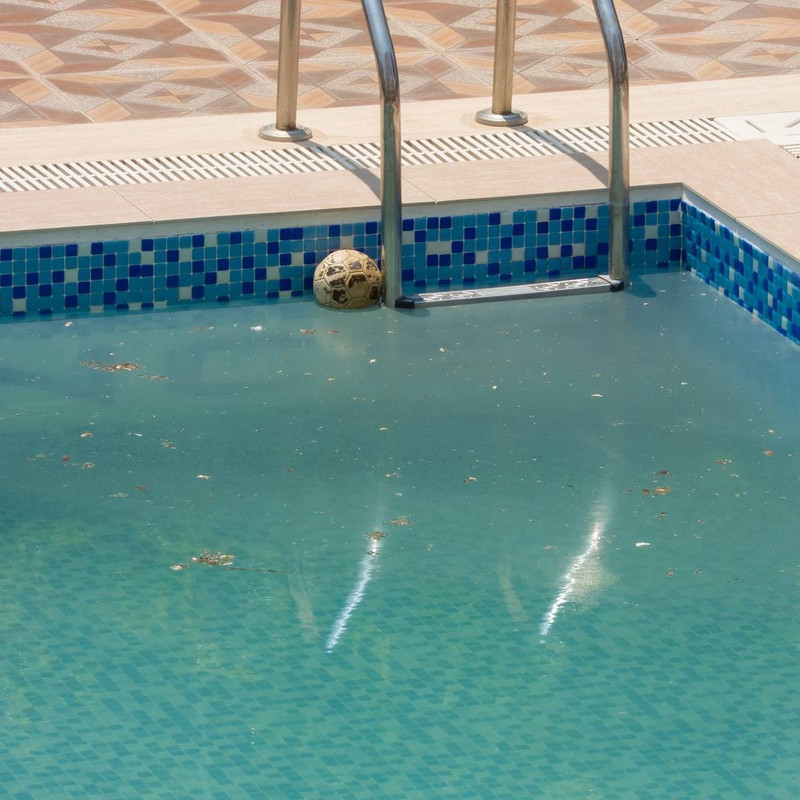
Water that is foamy or cloudy is showing signs that the pool chemistry is out of balance. Pool shock treatment is one of the ways to kill water impurities to regain a clean, clear swimming pool.

How to Shock Your Pool
Test your pool water before shocking your pool. Shock works best when the water’s pH is balanced, so make sure pH levels are between 7.2 and 7.8 before adding pool shock.
The amount of shock solution you use depends on your pool’s size. The packaging of your shock treatment may offer a chart or guide to help you determine the amount needed based on the amount of water in your pool. If not, consult a pool expert.
Keep your pool pump running for at least eight to 12 hours after adding the shock treatment. After treatment, use a pool test kit to be sure everything is in balance before letting anyone back in the water.

If the Water is Still Cloudy
There are several reasons why a shocked pool might still look cloudy.
Your filter is still working on cleanup. Shock kills algae, bacteria and other contaminants and your pool filter removes them. If the water is still cloudy after a shock treatment, your filter might still be working to remove all the dead particles suspended in the water.
Action: Keep the filter running. Vacuum and brush the pool to remove all contaminants.
Your water chemistry still isn’t balanced. Shock can only do so much. If the filter has run more than 12 hours and the pool still looks cloudy, your swimming pool chemistry may not be balanced.
Action: Test the water to determine pH levels, calcium hardness and cyanuric acid (stabilizer) levels. You may need to add a pH increaser or decreaser, stabilizer or a calcium treatment to balance your pool water chemistry.
The filter needs maintenance. If your chemistry is balanced and the water is still cloudy, check the filtration system before adding more chemicals. A dirty cartridge, clogged sand filter, inadequate circulation, or insufficient pump run time can leave fine particles suspended in the water indefinitely.
Action: You may need to clean or replace the filter cartridge or backwash your filtration system.
Although cloudy pool water may clear sooner, wait at least 24 hours after shocking before taking a swim. Don’t use your pool until you have tested the water again to ensure all chemicals have reached safe levels.
You may also like:


Clearing Up Cloudy Pool Water
Insufficient filtration, a dirty filter and water chemistry imbalances are three main reasons a pool may not appear to have responded to shock treatment.
If your pool water problems continue, contact a pool expert. They can test your water and offer further advice on how to clear up persistent issues.
Ready for a swim? Shop Christmas Central’s Pool and Spa store for pool testing kits, chemicals, equipment and accessories for pool maintenance, as well as a wide selection of pool floats, toys and games to help you enjoy your pool all season long!
Christmas Central Answers More Pool Maintenance Questions
How often should I test my pool water?
During the height of swim season, commit to testing your pool water a few times a week and once a week when it has received little to no use. Always test after heavy rain or pool parties, and check chlorine and pH levels before adding any chemicals.
Swimming pool test strips are an easy way to conduct quick checks, but experts highly recommend liquid drop kits for the greatest accuracy.
When in doubt, take a sample of your pool water to a local pool professional for analysis and advice.
Why did my swimming pool turn green?
At the height of summer, swimming pool chemistry can change quickly. One evening you’re cooling off in the pool, the next morning you wake up to a basin full of green water.
What happened?
That green color indicates algae growth and is a sign that your pool water is out of balance. A heat wave, insufficient chlorine or pH that’s too high or low could be among the culprits.
Bacteria that live in the algae can cause health problems, so you’ll want to hold off on your next swim until you can fix the problem.
To get rid of algae in your pool, start by using a pool water test kit to determine where the chemistry is out of whack.
Then, brush and vacuum the sides and bottom of your pool to loosen algae. Consider adding a flocculent. “Pool floc” helps create clumps of algae that are easier to clean up.
Use a pool shock treatment or algaecide to kill any algae spores that are still floating around in the water. Be sure to run the filter continually while treating the pool and for up to 12 hours afterward.
Remember, regularly brushing and vacuuming your pool, maintaining proper chlorine and pH levels and keeping the filtration system running well can help prevent a future algae bloom.

Get updates on the latest sales and featured items by subscribing to our newsletter below. New subscribers receive 10% off their first order!

Need help with decorating tips? Choosing the right tree?
Christmas Central Resources