




Summer Pool Care: Easy Tips to Stop Water Evaporation
Jul 31st 2025

Did you know that, depending on weather and geographic conditions, an uncovered swimming pool can lose about a quarter of an inch of water each day?
While you can’t keep your pool water from evaporating, there are steps you can take to minimize the amount of water your pool loses on a hot summer night.

What is Evaporation?
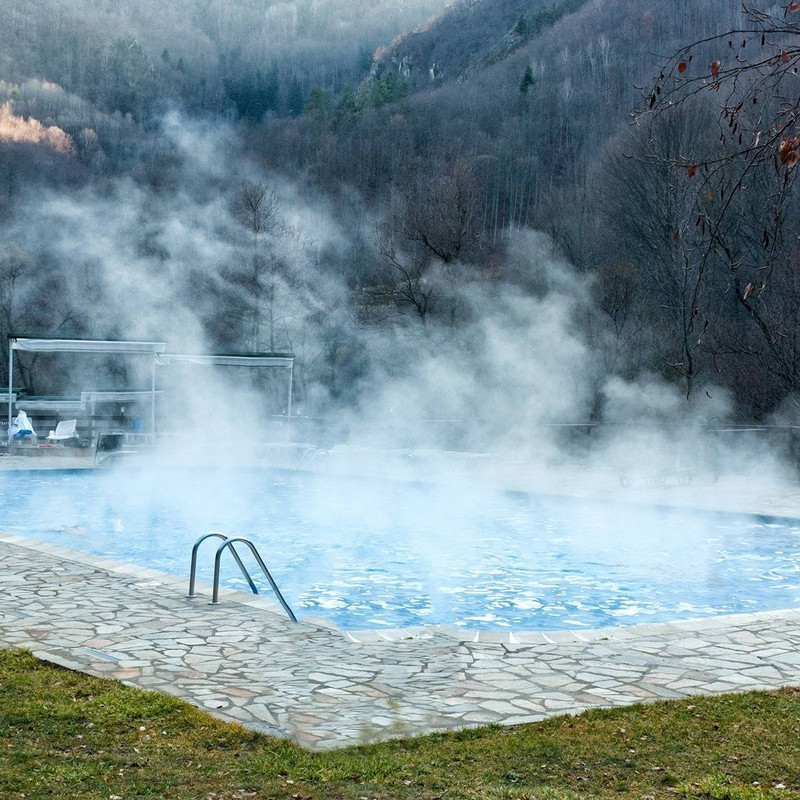
Evaporation is a natural process where water turns into vapor and rises into the air. In a backyard swimming pool, it happens constantly – and it's more noticeable than you might think.
When the sun heats your pool, water molecules at the surface gain enough energy to escape into the atmosphere as vapor. Over time, this leads to a drop in water level.

How Does Evaporation Affect Your Swimming Pool?
Besides needing to refill your pool more often, evaporation also affects pool chemistry. As water disappears, the concentration of chemicals like chlorine and stabilizers can change, causing you to test your water and balance chemical levels more often. If left unchecked, evaporation can impact water clarity and sanitation.

Humidity and Evaporation
Humidity is the amount of moisture already in the air and it can directly affect how quickly your pool loses water. Dry air (low humidity) can absorb more water vapor, so evaporation from your pool speeds up. But when the air is already humid, the evaporation process slows down, because the air can’t hold much more water vapor.
Even if the temperature is the same, a pool in an arid location will lose water faster than one in a humid area, thanks to the difference in humidity.


Windy Weather
Wind also contributes significantly to pool water evaporation. As the sun stimulates evaporation, wind sweeps away water vapor at the pool’s surface, replacing it with drier air that’s ready to absorb even more water vapor. This cycle speeds up evaporation significantly.
If your pool is in a sunny, breezy spot, you’ll likely notice faster water loss.

Air and Water Temperature
The outside temperature, as well as the temperature of your pool water, both affect how quickly evaporation occurs. The warmer your pool water, the faster evaporation can occur. Using a pool heater can increase evaporation even more.
Air temperature matters, too. When the air is cooler than the water, the temperature difference helps pull water vapor into the air, speeding up evaporation. But if the air is already hot and humid, it can't absorb much more moisture, so less water evaporates from your pool.
In short: warm water and cool, dry air create ideal conditions for rapid evaporation. If you notice frequent drops in your pool level, your climate and temperature swings could be to blame.

How to Minimize Evaporation
While you can’t control the weather, you can take steps to reduce how much pool water disappears into thin air. Here are a few smart ways to slow down evaporation:
Use a pool cover – A solid or solar pool cover is one of the most effective ways to prevent evaporation. It acts as a barrier, keeping heat and moisture in, especially overnight.
Install a windbreak – Fences, hedges or privacy screens help block the wind, which would otherwise carry off humid air and speed up evaporation.
Turn off water features when not in use – Fountains, waterfalls and deck jets expose more water to air, increasing surface area and evaporation. Use them sparingly if water loss is a concern.
Lower the water temperature – If you use a heater, turning it down a few degrees can reduce how quickly water evaporates. Warmer water loses moisture faster.
Shade part of your pool – Adding a shade sail or umbrella can limit sun exposure and help reduce surface temperature and evaporation.
Keep up on weather conditions that can cause your pool water to evaporate. A few simple preventive steps can help save water, reduce chemical usage and keep your pool running more efficiently. Minimizing pool evaporation means less time spent filling and balancing your water – and more time swimming!
Christmas Central offers a range of pool chemicals, pool testing kits and pool covers to help you keep your pool in top shape throughout the swim season. When it’s time for fun, browse our large selection of pool floats and water toys to keep swimmers entertained all season long.
Get updates on the latest sales and featured items by subscribing to our newsletter below. New subscribers receive 10% off their first order!
Need help with decorating tips? Choosing the right tree?
Christmas Central Resources