






Shade Solutions: How to Pick the Perfect Patio Umbrella
Apr 30th 2025

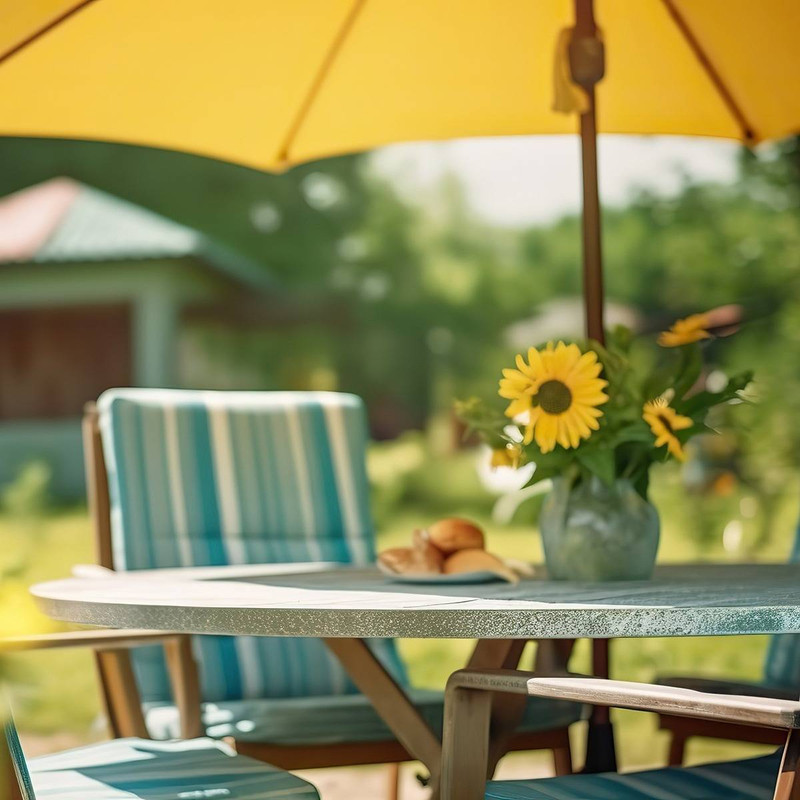
If backyard gatherings are part of your summer plans, buying a patio umbrella can be a smart purchase to improve your comfort when entertaining outdoors.
Lawns, patios, decks and balconies are great for hosting summer outdoor get-togethers. However, open seating and dining areas expose you and your guests to the blazing sun, leaving everyone overheated, sweaty and sunburnt.

Why Use a Patio Umbrella?
For summer entertaining, a little coverage can go a long way in keeping everyone comfortable, making patio umbrellas a practical addition to your outdoor entertainment area.
Here are some ways that a patio umbrella can enhance your time outdoors.
Provides shade and protects you from the heat of direct sunlight and skin-damaging UV rays.
Keeps you cool. Shaded surfaces can feel 20 to 45 degrees cooler than areas left unshaded.
Reduces radiant heat by keeping the sun off nearby surfaces like seat cushions, metal-framed chairs, and concrete or wood decking.
Lessens fabric fading from sun exposure.
Creates a ‘zone’ for dining, lounging or entertainment.
Decreases eye strain while conversing or dining.
Eases glare for outdoor work and leisure, like reading or digital viewing.
Adds style to your outdoor spaces.

Popular Outdoor Umbrella Features
In their simplest form, umbrellas provide protection from the elements. Over the years, manufacturers have refined outdoor umbrellas to include features that make them even more versatile and easy to use. Here are a few to consider:
Crank Handle
Sometimes, small changes can have a big impact. These days, many patio umbrellas have crank handles that make opening and closing them almost effortless. Cranks replace sliding mechanisms that can jam or pulley ropes that fray or get stuck. Crank handles are especially helpful for big patio umbrellas.
Adjustable
The sun changes position. Why shouldn’t your patio umbrella do the same? A tilt umbrella can be angled to aim the shade where you want it throughout the day.
Moveable
Most patio umbrellas require a base. Umbrella stands are generally heavy enough to keep the umbrella steady, even when the breeze blows. The bigger the umbrella, the heavier the stand. Consequently, large patio umbrellas can be hard to move. If you plan to relocate your sunshade occasionally, consider a weighted umbrella stand with locking rollers for better mobility.
Vented
If you’ve ever had your rain umbrella turned inside out during a downpour, you know that wind and umbrellas are epic rivals. A vented umbrella lets breezes pass through your canvas “sail,” making your patio umbrella less likely to tip or flip. Vents are a safety consideration – they help prevent accidents and minimize damage to patio decor, the umbrella frame or fabric.
Cantilevered
An offset umbrella has a pole and support arm located on the side, leaving an open area under the shade. A cantilever umbrella often can be rotated and tilted in multiple ways for maximum versatility. They are ideal when you’re covering a large area, or when the umbrella pole might interfere with conversation or dining. A cantilever patio umbrella also adds a modern and luxurious look to your space!
Style
Choosing a style that suits your taste and needs is integral to the search for the right patio umbrella. You can find market umbrellas with wood, aluminum or steel poles and macrame umbrellas that will make your yard feel like a vacation spot. Consider a square or rectangular patio umbrella to cover a dining or seating area.
Main style touchpoints include the type of umbrella, fabric color and design. The selection of solids, stripes and patterns can be daunting. However, the variety ensures that there is a style for every aesthetic.
Fabrication
In addition to the fabric style you choose for your patio umbrella, you may also want to consider the type of fabric used in its construction. Different outdoor fabrics have varying abilities to resist rain and sun fading.

Patio Umbrella vs. the Weather
Patio umbrellas are typically made from one of three materials: Acrylic, polypropylene or polyester. Each has its advantages and disadvantages.
Acrylic
Acrylics offer excellent fade resistance and can withstand a range of weather extremes. The solutions used to dye acrylic fibers are highly UV-resistant, to minimize color fading. Acrylic is also resistant to mold, mildew, dirt and water. Sunbrella is a popular brand of high-performance acrylic material.
Polyester
Polyester is a more affordable outdoor fabric that is water-resistant and dries quickly. It has a smooth texture and comes in vibrant colors, but is a little less durable and fade-resistant than acrylic. Polyester outdoor fabric brands include Outdura, Richloom Solarium and Terylast.
Polypropylene
This polymer material, often marketed as Olefin or Solefin, is inexpensive, tough and lightweight. Polypropylene fabric is water, chemical and stain-resistant, making it a good material for outdoor rugs and upholstery. It is considered less durable than acrylic and polyester.
This chart provides a breakdown of outdoor fabrics and features.

Overall
Choose acrylic for premium quality and superior fade resistance, especially for areas with full sun.
Choose polyester if you're on a budget and don’t mind replacing it more often.
Choose polypropylene for a lightweight, UV-resistant option that balances performance and price.

What Size Patio Umbrella Do I Need?
Patio umbrellas come in many shapes and sizes. Although circular umbrellas are standard, you can also find rectangular, square and other styles. Use and aesthetics will likely determine the shape and style umbrella you choose.
However, the ideal size of your outdoor patio umbrella depends on the type, location and size of the space you’re covering.
Start by measuring the area you intend to shade. Experts usually recommend adding two feet on either side. For example, an 8-foot umbrella will comfortably cover a 4-foot diameter dining table.
Make sure your umbrella will clear nearby obstacles, like hanging patio lights, tree limbs or overhangs. Also, keep it away from grills, firepits, lawn torches or patio heaters.

Umbrella Accessories
Stands
Umbrella bases are usually sold separately from the umbrellas themselves. The base contains a hole or neck to hold the umbrella pole. Stands can be made from aluminum, steel, resin or other materials, and come in many sizes. Choose an umbrella stand that is wide enough to remain stable and heavy enough to keep the umbrella upright and steady.
Experts often use this rule of thumb to choose the right umbrella base: Multiply the diameter of your open umbrella by 10 to find the minimum weight recommended for your base. For a rectangular umbrella, measure the longest point across. Using this formula, a 7-1/2 -foot umbrella will require a base weighing around 75 pounds. Consider a heavier base or even an in-ground umbrella mount if you live in a windy area.
Lights
Good outdoor lighting is essential when outdoor activities extend past sunset. Umbrella lights are one solution.
Many of these lights clamp onto the umbrella pole near the ribs and shine down onto your dining table or patio area. They are often battery-operated; some are rechargeable.
For additional light and loads of atmosphere, look for umbrellas strung with mini lights – or add them yourself!

Caring for Your Outdoor Umbrella
While patio umbrellas are durable, proper care can extend their lifespan. Here are some tips on cleaning and storing your patio umbrella:
Brush off leaves and debris to keep fabric from staining.
Close the umbrella in windy weather or when it is not in use to minimize damage to the fabric or frame. If it tips, your umbrella could buckle, break nearby furniture and outdoor accessories or even injure a person.
In the off-season, clean your umbrella according to manufacturer instructions. Let it dry thoroughly. Store it indoors or in an enclosed area away from the elements. Wrap it or use an umbrella cover to protect it from dirt and mildew.
A patio umbrella does more than provide shade – it enhances comfort, defines your outdoor space and protects your guests and furnishings from sun exposure. Buying the best patio umbrella you can afford is an investment that benefits you and your guests as you gather to enjoy all the outdoor fun summer offers.
By considering your space, style, and weather needs, you’ll be well on your way to creating a more comfortable and stylish outdoor retreat.
Ready to find your shade solution? Start exploring our collection of patio umbrellas and accessories.
Get updates on the latest sales and featured items by subscribing to our newsletter below. New subscribers receive 10% off their first order!
Need help with decorating tips? Choosing the right tree?
Christmas Central Resources