






From Treetop to Ground Cover: How to Layer Your Yard with Light
Posted by Linda Trzyna on Apr 10th 2026
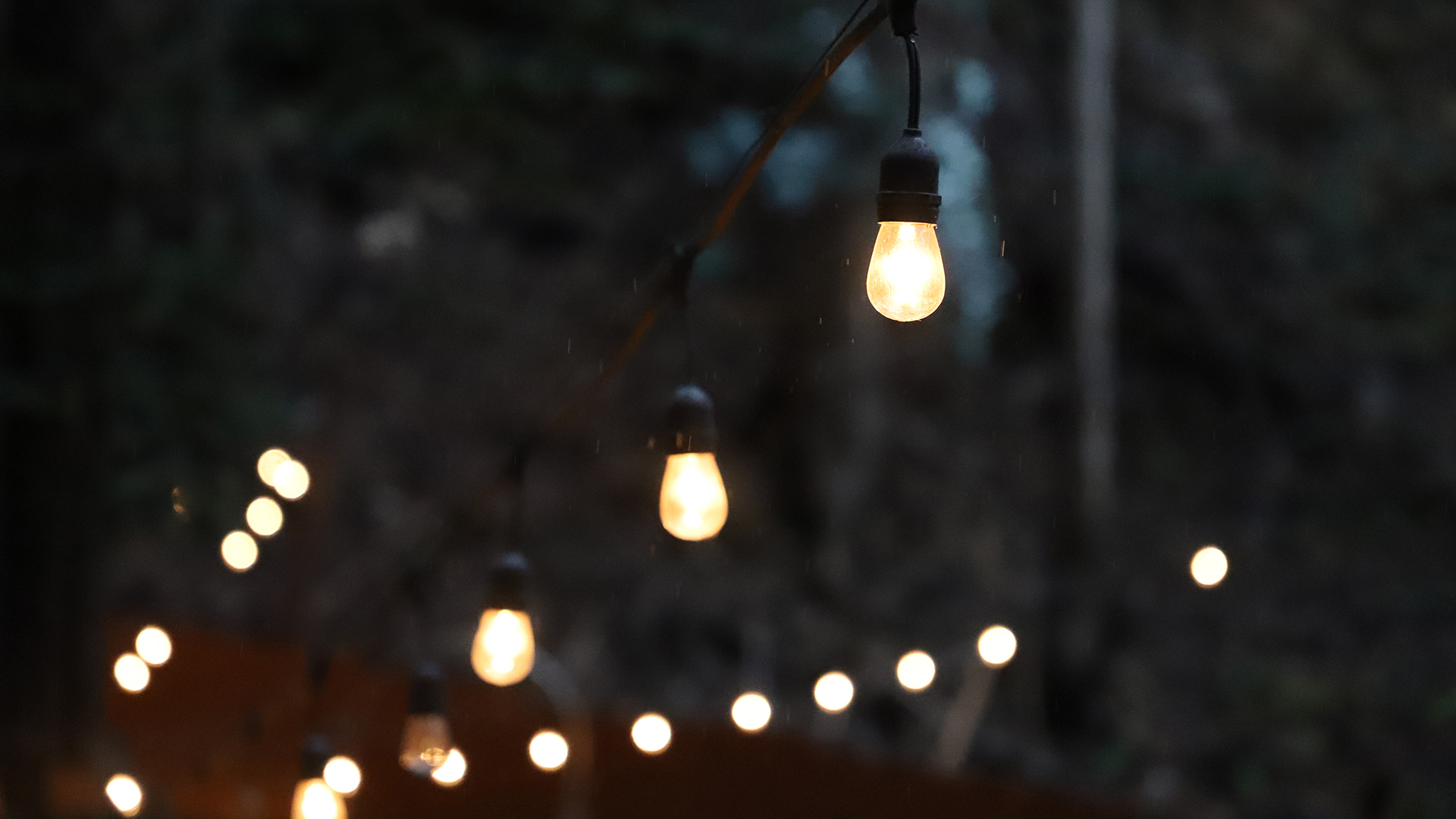
You’ve hung some bistro lights outdoors, even added a candle or two. So why doesn’t your porch or patio sparkle like the outdoor spaces you’ve admired on TikTok, Instagram or Pinterest?
Eye-catching outdoor lighting usually combines different light types, such as patio string lights overhead, plus mini lights on railings and lanterns on the floor.
Outdoor lights serve practical purposes and can enhance your space’s aesthetics.Subtle lighting creates a cozy ambience over a conversation area, while brighter task lighting aids meal prep in your outdoor kitchen.
Remember, too, that your outdoor area is three-dimensional. Using lights at different heights adds depth and visual balance. The intent is to draw the eye up, out and across your space.
The good news is that layering light is a simple design trick anyone can use to beautiful effect in their yard. While you won’t need to use every suggestion below, placing garden lights at different levels creates the kind of welcoming atmosphere that invites guests to linger in your outdoor spaces long after dark.
Let’s start from the top.
Lit From Above
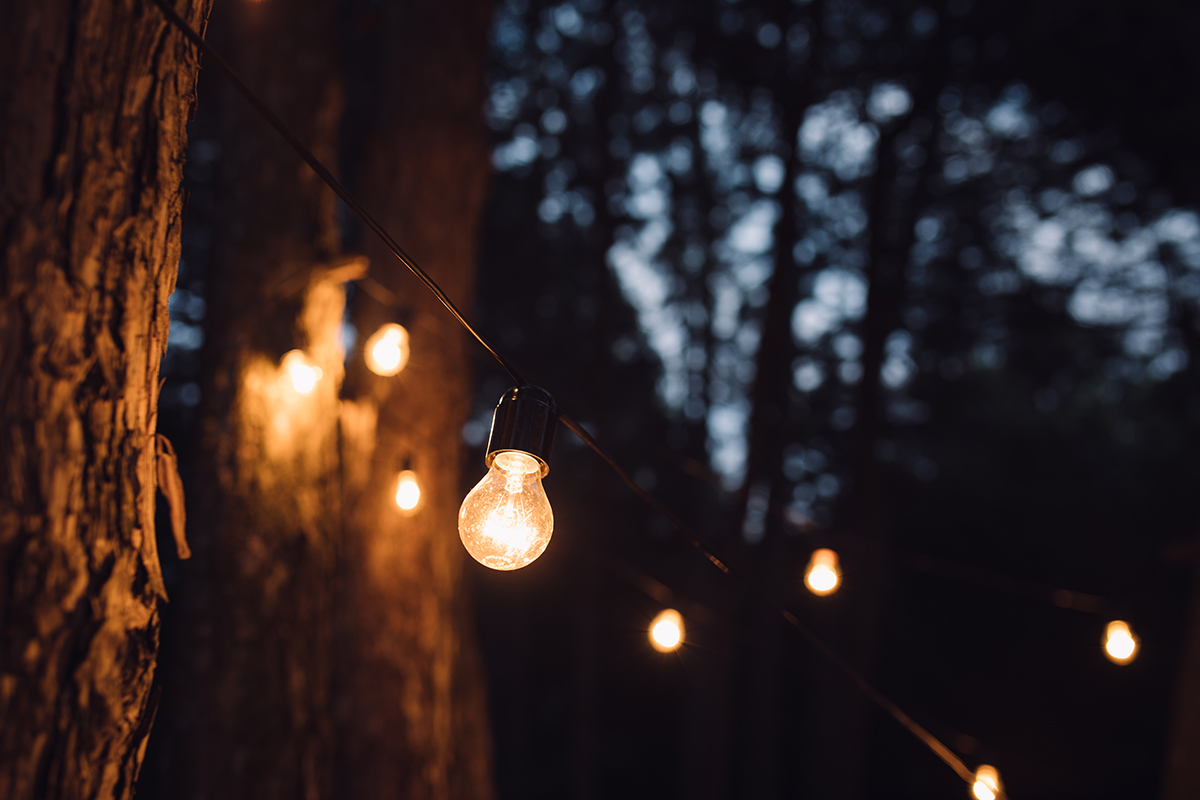
If there’s a tree in your yard, then lucky you! There are several ways to hang patio lights on trees to help you realize the landscape lighting you’ve envisioned.
One way is to twine outdoor string lights around tree branches. Mini lights, globe lights, Edison lights - the choice is yours.
Or drape lights from branch to branch and suspend a pretty lantern at each anchor point.
You can also criss-cross light strings overhead from tree to tree or extend them from a single anchor point on the trunk to radiate out toward your house or patio.
There are ways to elevate your lights, even if your yard is treeless.

Canopy poles, tall metal rods with slits or rings at the top to hold backyard lights, can be installed temporarily or permanently along the perimeter of your outdoor space.
For a more permanent solution, install metal canopy poles or wooden posts in cement footings. On a deck, mount a sturdy length of wood upright at each corner to hang your light strings.
Another simple method is to run lights along the eaves of your house, porch or gazebo, using Christmas light clips.
String mini lights up and around an outdoor structure. LED mini lights won’t heat up like incandescent bulbs, so they’re a safer alternative for tents, canopies and fabric-covered gazebos.
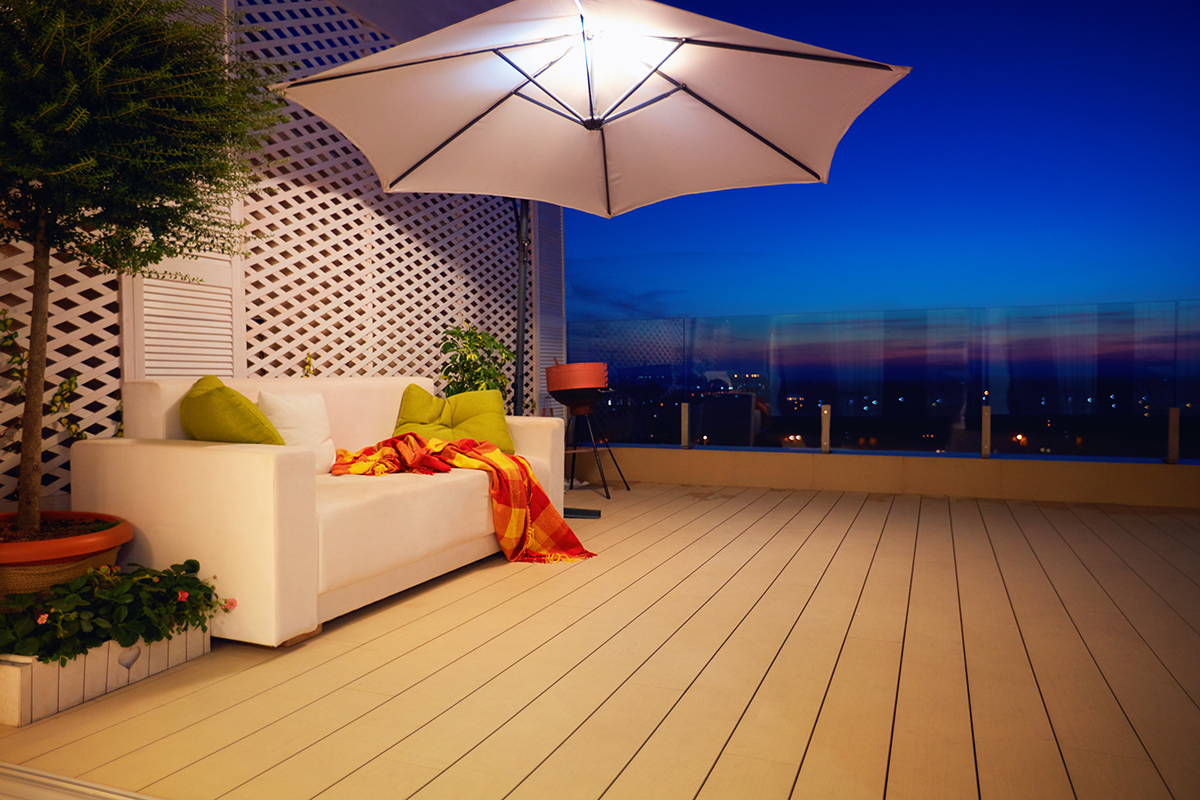
And your patio umbrella can be useful, even at night. There are several types of patio umbrella lights that can illuminate your patio furniture, dining table and the surrounding area after dark.
Light in the Middle
While you don’t want lights shining directly in your eyes, lighting your surroundings at mid-level (between your shoulders and knees) helps keep your landscape looking balanced. This can be achieved several ways.
For instance, you can string mini lights or novelty lights along the fence line. Finish the look with solar lighted fence post caps.
Twine rope lights, warm white mini lights or the tree trunk lights you used at Christmas to enhance vertical features.
Create ambient lighting by installing rope lights beneath a deck rail, under the counter of your outdoor kitchen or even under the outer lip of your above-ground pool.

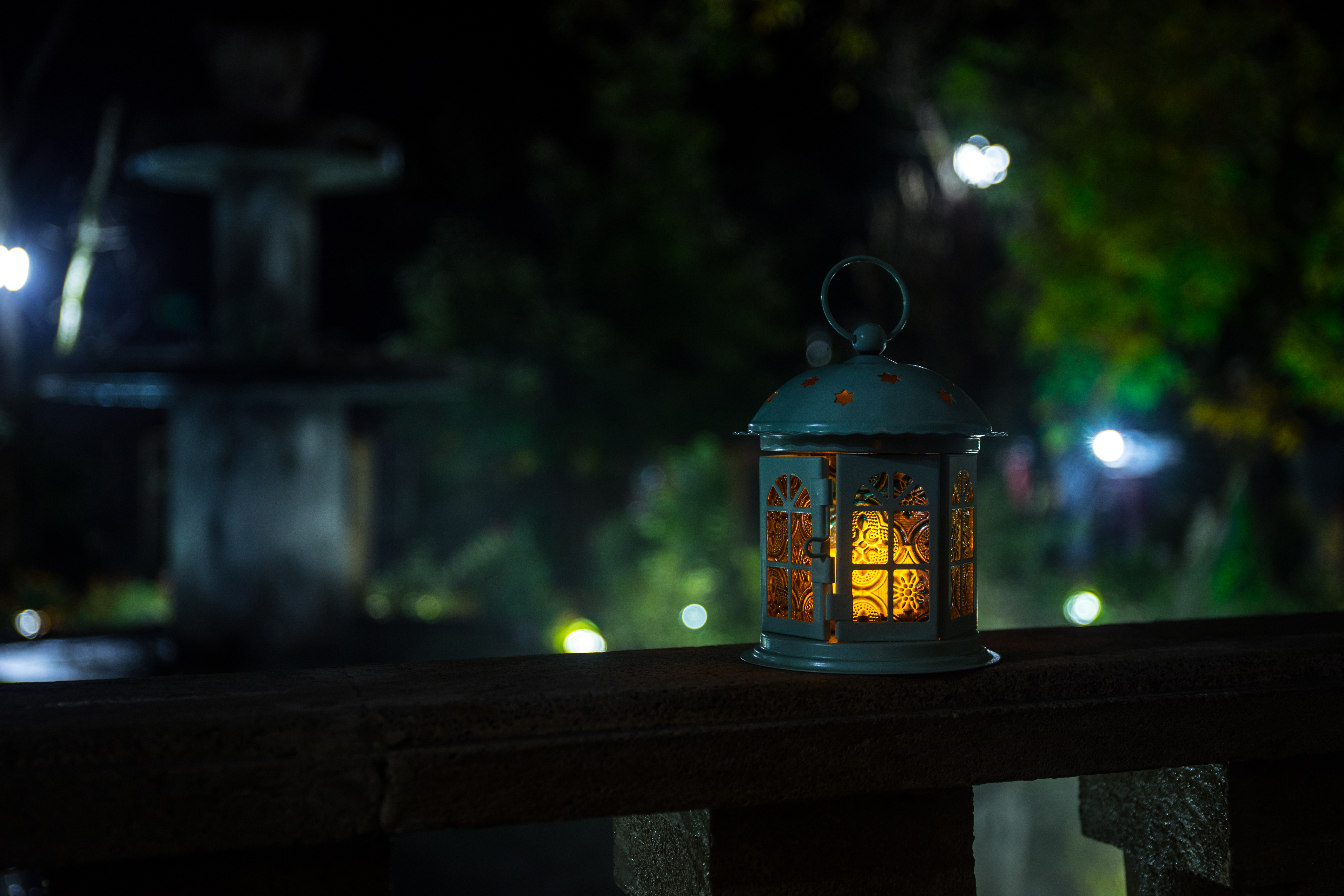
Set decorative lanterns and flameless pillar candles on railings and tabletops, where they can really shine. You can also suspend lanterns from the porch ceiling and hang them on fence posts or garden hooks. Just make sure your products are meant for outdoor use or that they’re well protected from the weather.
Garden torches are another great lighting option. You can find inexpensive bamboo torches at the local hardware store or look for modern metal torches that match your style.
Fire pits also make excellent focal points, providing warmth on a cool night and plenty of light and ambience. Whether you gather to chat, enjoy a drink or toast marshmallows, who doesn’t love a fire?
You may also like:


Light at Ground Level
You don’t always need a spotlight to light a walkway or garden path. Solar-powered path lights have become a mainstay in many yards, with numerous inexpensive and attractive varieties available.

Solar lights are among the easiest ways to light your yard. Solar cells built into the lights absorb the sun’s power by day and illuminate your garden areas all night, with no need for electrical cords or batteries. In addition to path lights, you can find lighted garden decorations, statues and fountains that look pretty by day and add a bit of shimmer and twinkle to your yard after twilight.
Remember the rope lights you used on your deck rail? They also make great landscape lighting. The flexible tubing enables gardeners to follow the curving edges of garden beds. Rope lights can also be mounted under the lip of stair treads or alongside stone steps for surer footing after dark.
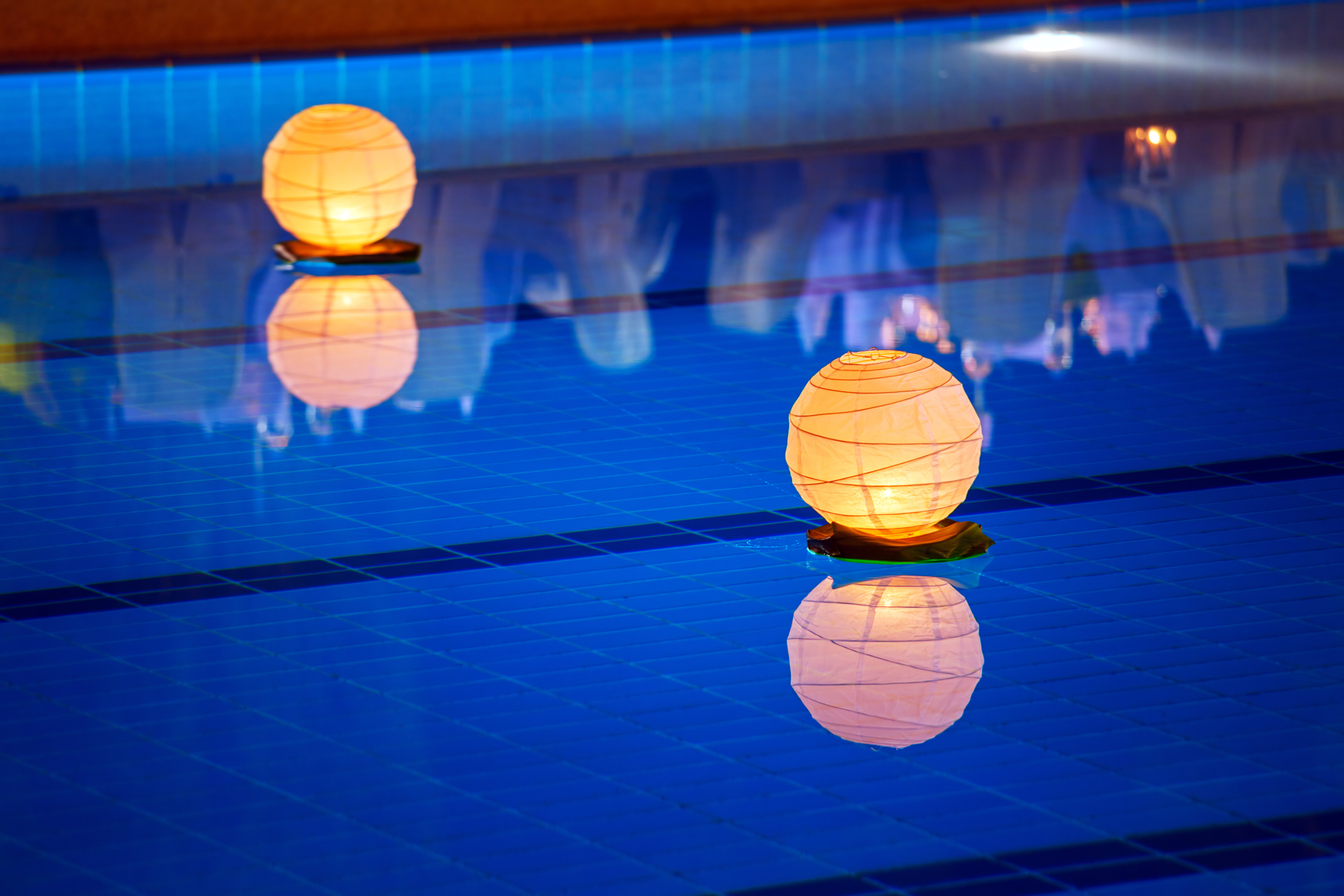
Illuminate an inground pool or water feature with floating pool lights. As striking as they are on water, pool lights make a stunning statement on lawns and in the garden.
Lighting Safety
While you’re assessing the practicality and aesthetics of your outdoor lighting, be mindful of safety, too.
Make sure the lights you choose are approved for outdoor use. Plug your outdoor patio lights into outlets protected by Ground Fault Circuit Interrupters and don’t overload outlets.
Suspended lights should be hung well above head height: eight to 10 feet is typical. To prevent tripping hazards, never place string lights or extension cords across a walkway.
Use low-voltage lighting and plastic bulbs near pools and other water sources to minimize the risk of electrical shock. Around swimming pools, lights should be installed at least 10 feet above the water. For a safer alternative, consider battery-powered or solar-powered lights.
Bright Summer Nights
Don’t let darkness dampen your summer fun. You can find plenty of pretty and practical lighting solutions for your outdoor spaces that will let you light up your summer nights for maximum enjoyment!
Whether you’re starting with a few string lights or designing a fully layered look, explore our patio lighting collection to bring depth, warmth, and personality to your outdoor space.
Check out our wide selection of Home & Garden patio lights and explore your outdoor lighting options.
Christmas Central Answers Your Questions About Lighting

What is Color Temperature in Lighting?
Light temperature refers to the appearance of light emitted from a light bulb as measured on the Kelvin temperature scale. Lower temperatures on the Kelvin light scale are “warmer,” with yellowish color tones, while higher numbers on the Kelvin scale are “cooler,” often with bluish tones. Most residential lighting falls within a temperature range of 2,000 to 6,500 Kelvin.
Color temperature matters for two reasons: Ambiance and continuity.
Whether you use warm or cool lighting can affect the mood of a room or outdoor space. Warm white lights project a softer, more flattering light, creating a cozy and welcoming atmosphere. They are popularly used in living rooms, family rooms, bedrooms and outdoor spaces.
Cooler light temperatures, on the other hand, can be glaring and unflattering, but their brighter tones are a popular choice for security and task lighting.
A color temperature in the middle of the scale is considered “neutral,” a common choice for vanities and overhead lighting.
Variations in light color temperature can be very noticeable in large applications like patio lighting. Color temperature differences in a series of connected string lights will create an inconsistent look that is unpleasant, even jarring.
Temperature differences can occur when lights are purchased at different times or from different manufacturers.
To determine whether your lighting is warm or cool, lighting product packaging now includes a Lighting Facts label that includes a light temperature scale. Buying light strings and replacement bulbs of the same color temperature will ensure a cohesive look throughout your space.

Get updates on the latest sales and featured items by subscribing to our newsletter below. New subscribers receive 10% off their first order!
Need help with decorating tips? Choosing the right tree?
Christmas Central Resources