






What Are the Best Non-Candy Easter Egg Hunt Prizes?
Posted by Linda Trzyna on Feb 25th 2026

Your family had just recovered from its Christmas cookie sugar hangover when Valentine’s Day came along, with its heart-shaped candies and chocolates. Now, Easter is on the horizon and you’re anticipating another period of steady sweets consumption for your kids.
Candy is an Easter staple, but it doesn’t have to be the focus of every activity. Easter egg hunts, for instance, are supposed to be about the eggs, right? So why does the hunt often involve more sugary treats?
To fill those plastic Easter eggs with rewards that won’t cause a sugar rush, consider these non-candy Easter egg hunt prize suggestions.

Hide Real Eggs
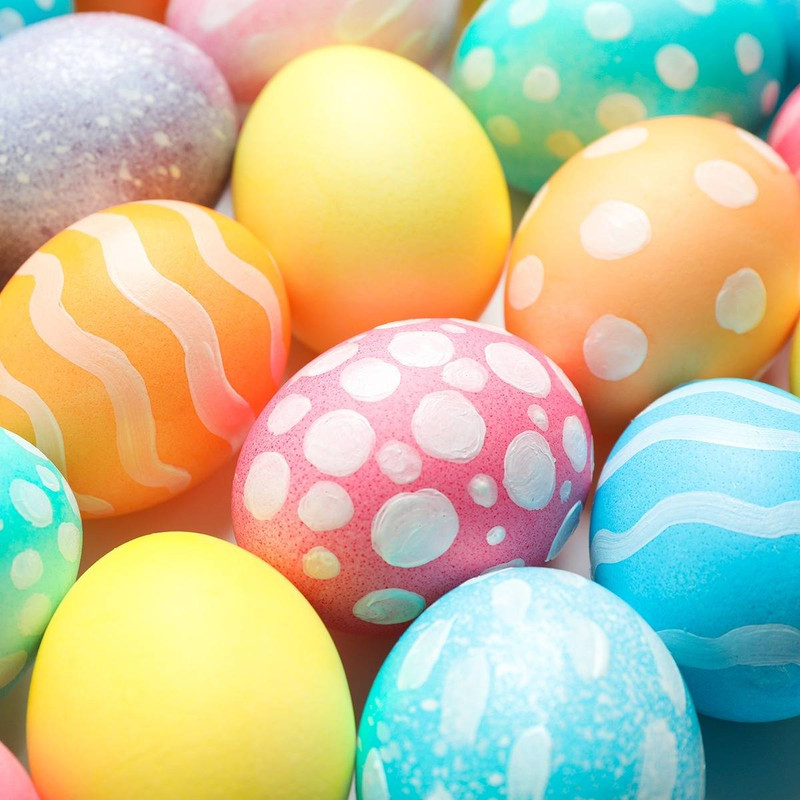
If you can swing it, hide real decorated Easter eggs for your egg hunt. Your children will be delighted that the Easter Bunny hid the eggs they so carefully dyed!
A few words of caution, however:
Depending on the temperature to which they’re exposed, boiled eggs can spoil quickly. The FDA recommends not leaving boiled eggs out of the fridge for more than two hours at room temperature. Discard them after one hour when the temperature is over 90 degrees.
Rotten eggs smell bad. Really bad. If you’re going to hide your decorated eggs, write down all your hiding places and check them once the hunt is over. That way, there won’t be any unpleasant surprises – or smells – later on.

Play Along
What lasts longer than candy and can be just as fun? Toys! For a fun non-candy Easter egg filler, visit your local party supply store or bargain store and stock up on tiny trinkets.
Items that fit inside plastic fillable Easter eggs can include toy cars, finger puppets, mini dinosaurs and other animals, plastic jewelry, army figures, colorful erasers and temporary tattoos.
When dealing with toddlers, however, remember that tiny gifts can be a choking hazard. Instead, a cuddly bunny or stuffed animal prize given at the end of the egg hunt makes a great substitute.

Change it Up
Many families opt to put a little spare cash into their children’s hidden Easter eggs – anything from a penny to a quarter to a dollar bill.
For an extra special surprise, hide something your kids might never even have seen before – gold dollar coins. What child wouldn’t be thrilled to discover “treasure” inside their Easter eggs!
You may also like:


Healthy Snacks
Plenty of edible Easter treat options exist that don’t involve candy.
Depending on their size, fillable Easter eggs can fit a variety of small snacks including raisins, popcorn, cereal, small crackers, baby carrots or fresh berries.
It’s a good idea to place edible treats in snack-sized plastic bags before placing them in plastic eggs, especially if your Easter egg hunt will be outdoors. Wrapped goodies are less likely to be disturbed by pets, wild animals or insects.

Golden Ticket
Redeemable coupons are another clever non-candy Easter egg filler. Fill your plastic eggs with handmade vouchers for your kids’ favorite activities, like a trip to a park, playground, the zoo, the movies or dinner at their favorite restaurant.
The promise of a family adventure can outshine the momentary pleasure of candy by giving kids something fun to look forward to doing as a family.
Non-candy Easter egg hunt prizes do exist! With a little imagination and creativity, your kids can enjoy a traditional holiday activity that is sweetly sugar-free.
Christmas Central Answers Questions About Easter
What is an Easter Egg Hunt?
As the name implies, an egg hunt is a search for eggs hidden in the home, a yard or park. The eggs may be hard-boiled and decorated or plastic and filled with treats.
But why do we hide eggs? The egg has a long association with spring and Easter as a symbol of new life. An empty egg shell recalls Jesus’ resurrection.
A few theories explain why people started hiding Easter eggs. Some say Martin Luther, the Protestant reformer, began the practice in the 1500s. The men of the church hid the eggs and the women and children searched for them. The activity reflected the biblical resurrection story that describes how Jesus’ female followers discovered the empty tomb.
The Germans also began the tradition of the Easter Bunny (originally the Easter Hare), whose grassy nest held eggs instead of baby bunnies. Thus, children searched for eggs from the Easter Hare in grassy fields. German immigrants brought the tradition to America.
How Do I Plan an Easter Egg Hunt?
Planning an Easter egg hunt for your family requires just a little organization.
Know how many children are participating, so you have enough eggs to go around.
Hide the eggs in advance and begin the hunt soon after children arrive.
Set rules, especially if there is a wide range in the children’s ages. For instance, you might limit the number of eggs each child can claim, to prevent winnings being unevenly divided between younger and older participants.
Set clear geographic boundaries. Where should kids look? What areas are off-limits?
Provide a basket or small bucket to hold each child’s eggs.
Know where you’ve hidden all the eggs! Write down every location, if necessary.
If your group is small, you may be able to color-code your eggs. That way, each child knows to only collect eggs that are “their” color.
When is Easter?
Easter 2026, is Sunday, April 5.
Easter is a “floating holiday" that does not fall on the same date each year. Instead, Easter Sunday is determined by the cycle of the moon.
To be exact, Easter is the first Sunday after the first full moon that occurs on or after the spring equinox. Since the equinox is usually March 21, Easter can fall anywhere between March 22 and April 25.
Get updates on the latest sales and featured items by subscribing to our newsletter below. New subscribers receive 10% off their first order!

Need help with decorating tips? Choosing the right tree?
Christmas Central Resources